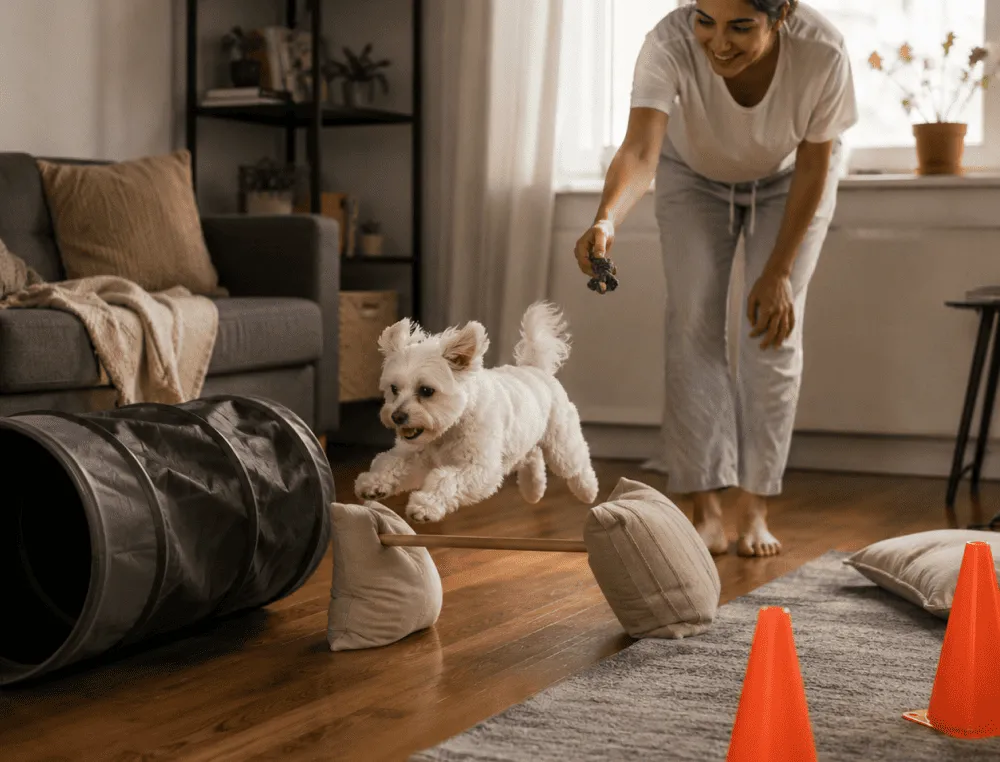
Responsible pet care starts long before something goes wrong. It begins with observation, planning, and small daily choices. Your pet needs comfort, structure, safety, and attention. Those needs can feel simple, but consistency matters. A rushed household can miss early behavior changes.
A loving household can still forget important checks. That is why clear systems help so much. The Responsible Pet Parent Pack gives pet families practical guidance in one organized place. It turns scattered advice into easier action. Better care feels calmer when you know what to watch.

Pets thrive when their environment feels predictable. They notice feeding times, walking rhythms, and household energy. When routines shift constantly, stress can show up quickly. Some pets hide discomfort instead of asking for help. Others bark, scratch, chew, or avoid contact.
These signs often point toward unmet needs. A daily pet routine helps you notice changes faster. It also keeps basic care from becoming overwhelming. Small habits create a stronger foundation. Over time, your pet feels safer and more understood.
Your home should work for the animal living inside it. Food, water, rest, movement, and enrichment need clear places. Cleaning supplies should stay away from curious mouths. Cords, plants, medicines, and small objects deserve attention.
A safe home for pets protects them from avoidable accidents. It also protects your peace of mind. When your home is prepared, you react less. You guide more. Pets learn boundaries faster when spaces make sense. A prepared environment supports better behavior every day.
Health care is not only about vet visits. It also includes what you notice between appointments. Watch appetite, energy, coat condition, breathing, and bathroom habits. Small changes can reveal discomfort early. A pet health checklist makes those checks easier to remember.
It gives your observations more structure. You can share clearer information with your vet. That makes appointments more productive. The Responsible Pet Parent Pack helps organize these everyday signals. Caring well becomes less reactive and more confident.
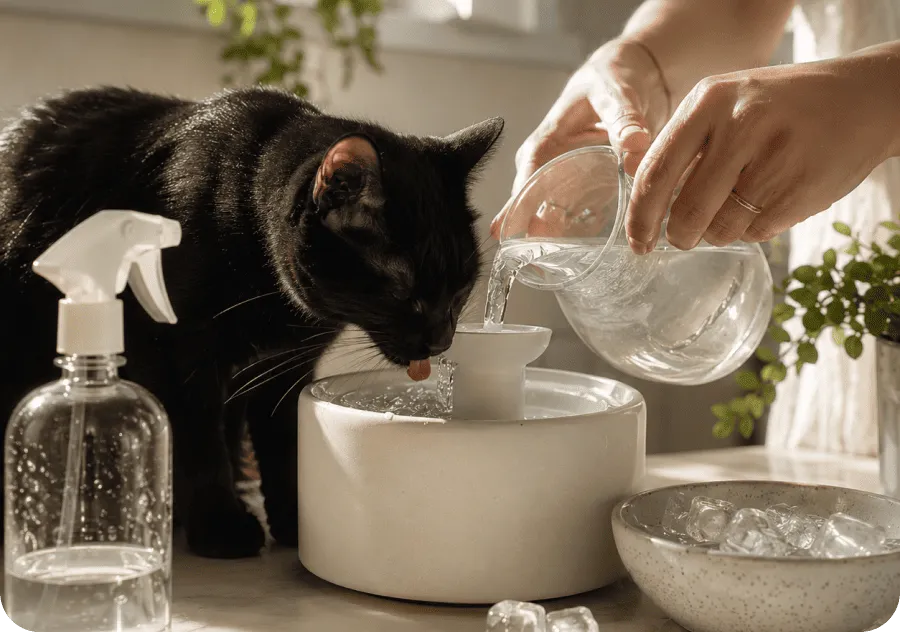
Daily wellness depends on simple basics done consistently. Pets need food that suits their size, age, and needs. They also need movement that matches their energy level. Rest matters just as much as activity. Too little sleep can increase stress and irritability. Too little exercise can create boredom and tension. A pet wellness plan connects these pieces into one routine. It helps you avoid random care decisions. Balanced habits make your pet easier to understand. They also make your home feel more peaceful.
Behavior is communication, not an inconvenience. Pets repeat actions that meet a need. Chewing may signal boredom. Hiding may show fear. Excessive barking can reflect stress or confusion. Learning pet behavior basics helps you respond with patience.
It also prevents punishment from replacing understanding. Trust grows when your reactions stay steady. Your pet learns that you are safe. That trust improves training, handling, grooming, and daily cooperation.
Young animals need special structure from the beginning. Their bodies, habits, and confidence are still developing. A new pet parent guide can reduce confusion during that first stage. It keeps feeding, training, sleep, and safety connected. Families with young animals also benefit from puppy and kitten care guidance. Early routines shape future behavior.
They also help everyone in the home stay consistent. Mixed signals slow learning. Clear guidance helps pets settle faster. The Responsible Pet Parent Pack supports that smoother start.
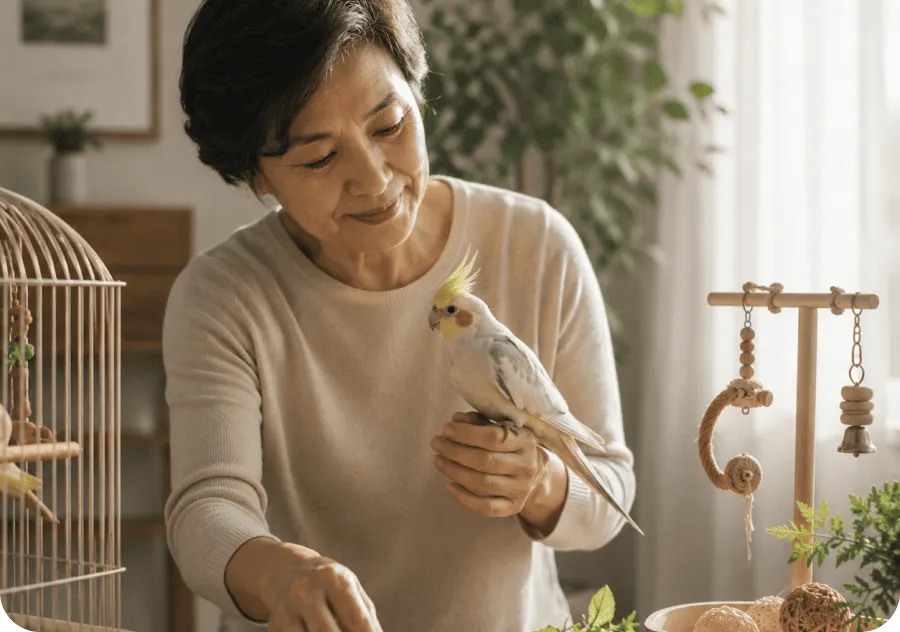
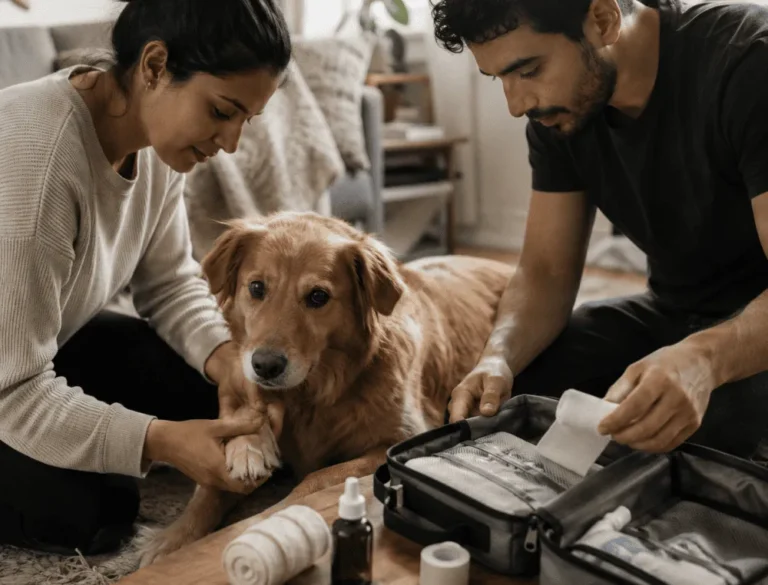
Emergencies feel less chaotic when you prepare early. You should know your vet contacts, emergency clinic options, and transport plan. Keep medical records where you can find them. Store medications safely. Learn which signs require urgent action.
An emergency pet checklist keeps key steps close. It helps you act instead of panic. Preparation does not replace professional care. It simply helps you reach help faster. Responsible choices become most valuable under pressure.


Leave a comment
You must be logged in to post a comment.