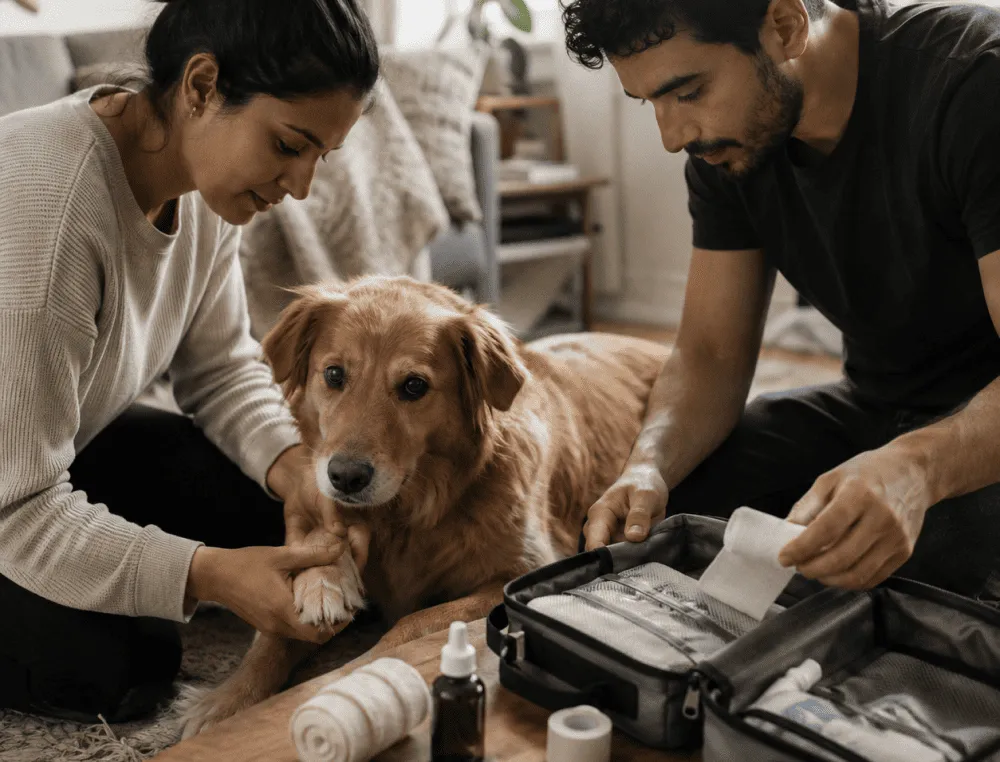
how to care for pets becomes clearer when you stop chasing random advice. Good care depends on routines, observation, and preparation. Your pet needs food, comfort, safety, exercise, and connection. Those needs change with age, health, and personality.
A simple system helps you adapt without feeling overwhelmed. It also helps every family member participate. The Responsible Pet Parent Pack gives pet owners organized support across everyday situations. It combines guides, eBooks, and checklists in one place. That makes daily decisions easier. You can care with more confidence and less confusion.
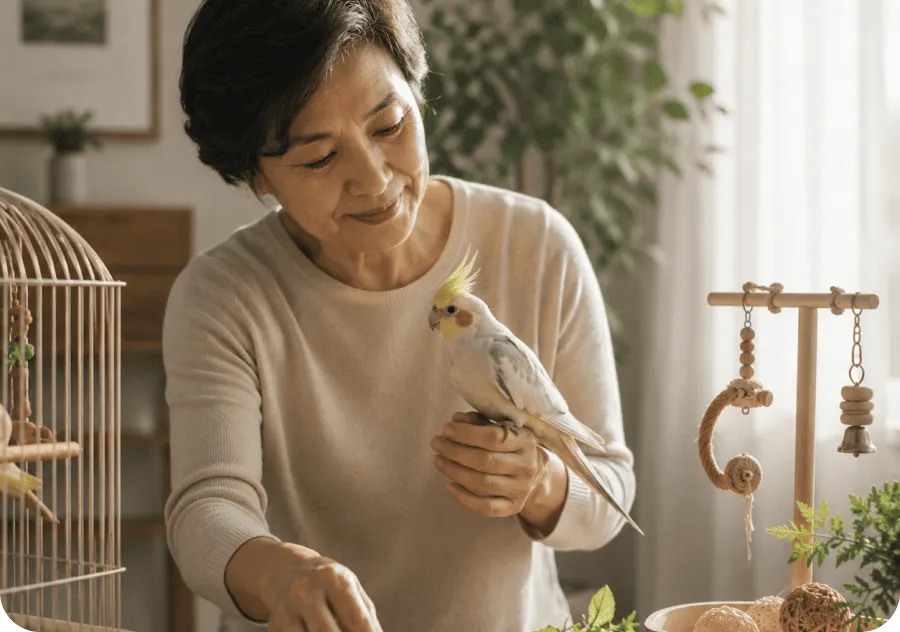
Routine is the backbone of dependable care. Pets feel safer when days have familiar patterns. Feeding, water checks, walks, play, grooming, and rest should not happen randomly. A daily pet routine keeps important needs visible. It also reduces last-minute stress. Y
ou can adjust the routine as life changes. The goal is consistency, not perfection. Pets respond well to predictable signals. Your home becomes calmer when care has structure. Small habits do more than occasional big efforts.
Not every pet needs the same approach. Breed, size, age, temperament, and health all matter. Some pets need extra movement. Others need more mental enrichment. Some require frequent grooming. Others need careful social support.
A pet care planner helps you organize these differences. It turns your observations into practical decisions. You can focus on what matters most. Personal care always works better than generic care.
Daily health awareness protects your pet between vet visits. Look at eating habits, drinking patterns, bathroom changes, coat quality, and energy. Watch how your pet walks, sleeps, and responds to touch. A pet health checklist makes these observations easier. It helps you notice patterns before they become serious. Clear notes also help your veterinarian.
The Responsible Pet Parent Pack supports this practical style of monitoring. You still need professional care when concerns appear. However, better observation helps you act sooner. Your pet benefits from attention that stays consistent.

Home safety should be reviewed often. Pets grow, explore, climb, chew, and investigate. What looked harmless yesterday may become risky tomorrow. A safe home for pets includes secured supplies, clear boundaries, and supervised access.
Food hazards deserve extra attention. So do cords, sharp objects, and small toys. Safety also includes emotional comfort. Pets need quiet places where they can retreat. A prepared home supports better behavior. It also reduces avoidable emergencies.
Pets notice changes inside the household. Moving, travel, new schedules, visitors, and new family members can affect behavior. A pet wellness plan helps you adjust routines with less disruption. Keep familiar items close during transitions.
Maintain feeding and rest times when possible. Watch for stress signs after major changes. Gentle structure helps pets adapt. The Responsible Pet Parent Pack can guide those practical adjustments. Change feels easier when care remains steady. Your pet needs reassurance through your actions.
Behavior problems often have understandable causes. Boredom, fear, pain, confusion, or overstimulation may sit underneath the action. Learning pet behavior basics helps you respond wisely. It keeps frustration from leading the moment.
Training should reward clarity and consistency. It should also respect your pet’s limits. Progress may take time. Still, calm repetition builds trust. You guide more effectively when you understand the message. Better behavior begins with better listening.
Early care shapes future comfort. A new pet parent guide helps you prepare before habits become messy. Young animals need supervision, sleep, training, and gentle handling. They also need supplies that match their size and stage.
Good puppy and kitten care reduces stress during the first weeks. It helps you avoid common mistakes. Everyone should use the same rules. That makes learning easier for your pet. Early structure creates lifelong benefits. Starting well is easier than correcting confusion later.
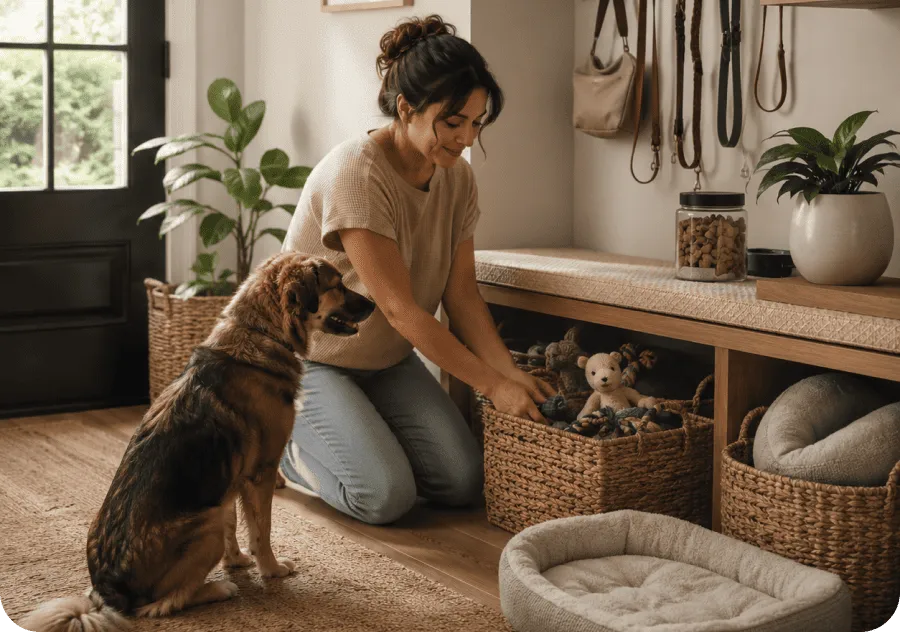
Every pet household should know what to do in urgent moments. Keep records, contacts, and transportation supplies ready. An emergency pet checklist helps you respond faster. Clear family pet rules also reduce everyday confusion.
These habits reflect responsible animal care in practical form. People know their roles. Pets receive steadier guidance. Stress decreases when expectations are clear. Strong preparation supports both safety and trust. That is the heart of dependable pet ownership.



Leave a comment
You must be logged in to post a comment.