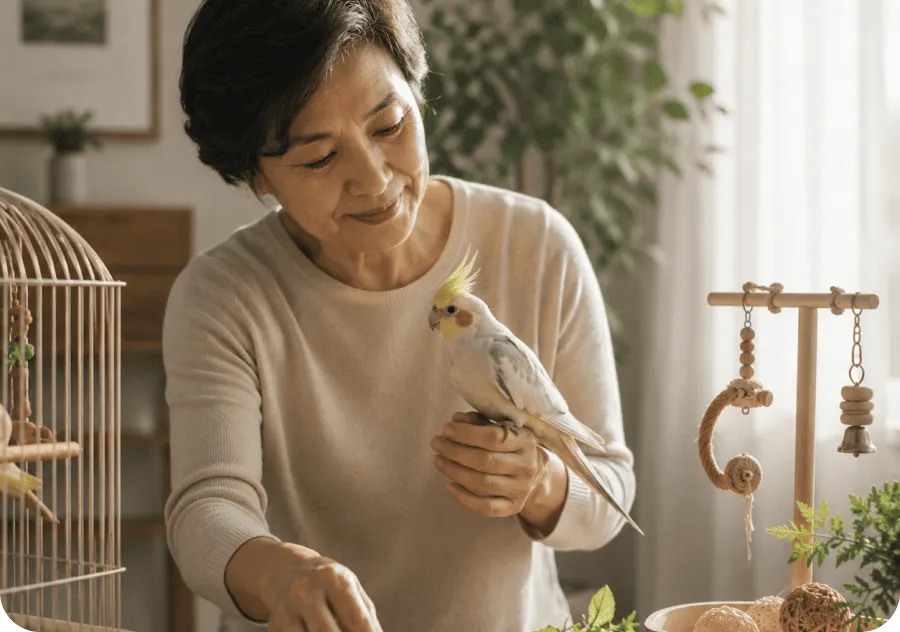
Pet parenting tips work best when they feel realistic. You do not need perfection to care well. You need repeatable habits that fit your household. Your pet needs steady signals from you. Meals, walks, grooming, play, and rest all create rhythm.
That rhythm helps animals feel secure. It also helps you notice when something changes. The Responsible Pet Parent Pack organizes practical guidance for busy pet families. It supports better decisions without adding pressure. Good care becomes easier when the next step is clear.

A calm routine helps pets understand the day. Morning care should feel predictable. Food, water, movement, and attention should happen with purpose. A daily pet routine prevents care from becoming random. It also lowers stress for the people involved.
Pets often relax when they know what comes next. You may see fewer attention-seeking behaviors. You may also feel less rushed. Structure does not need to feel strict. It simply gives your pet a reliable rhythm.
Every pet has different signals, preferences, and limits. Some animals need more exercise. Others need more quiet time. Some want constant closeness. Others need space before trust grows. A pet care planner helps you track those patterns. It keeps your decisions grounded in observation.
You stop guessing as much. Better understanding also prevents unnecessary frustration. Your pet becomes easier to support. Care feels more personal and more effective.
Healthier habits come from repetition, not dramatic changes. Check food portions regularly. Watch water intake. Notice energy levels. Brush, clean, and groom before problems build. A pet health checklist makes those details easier to manage. It helps you identify small concerns early.
Your vet also benefits from clearer notes. The Responsible Pet Parent Pack brings these everyday tasks into one helpful system. Consistency makes care feel less scattered. Your pet benefits from attention that does not depend on memory.
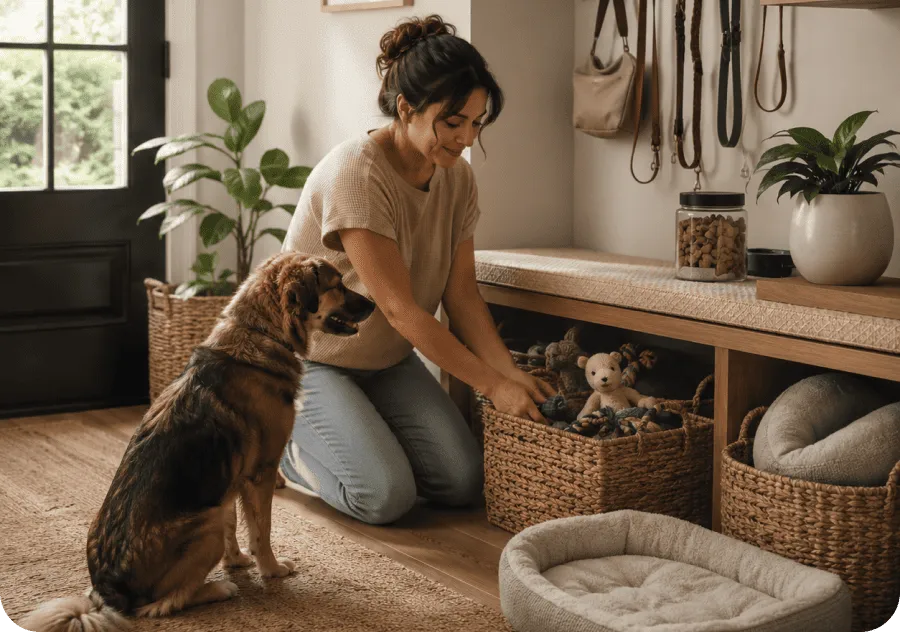
Safety starts with what your pet can reach. Curious animals explore with noses, paws, and mouths. Trash, cables, cleaners, medications, and fragile items matter. A safe home for pets reduces avoidable risks. It also helps guests and children understand boundaries.
Safety should be checked after household changes. New furniture can create new hazards. New foods can introduce new risks. Prevention is usually easier than emergency response. A safer space supports calmer daily living.

Training works when everyone uses the same approach. Pets need repetition, patience, and clear feedback. Confusion grows when rules change between family members. Learning pet behavior basics helps you understand what your pet is communicating.
It also helps you redirect behavior without panic. Good training should protect trust. It should not make your pet afraid of you. Small wins matter. Praise the behavior you want to repeat. Steady guidance creates better cooperation over time.
New animals bring excitement and uncertainty. A new pet parent guide can make that transition smoother. Young pets need routine, supervision, and gentle teaching. They also need safe spaces for rest. Families handling puppy and kitten care should plan ahead.
Early habits influence future comfort. House rules should be simple and repeatable. Supplies should be ready before stress appears. The Responsible Pet Parent Pack helps organize that first stage. Your pet settles faster when the home feels prepared.
Families need shared expectations around pets. One person should not carry everything alone. Children can help with age-appropriate tasks. Adults should handle health, safety, and supervision. Clear family pet rules prevent mixed messages.
They also protect pets from rough handling. A pet wellness plan gives everyone a shared reference. That makes routines easier to maintain. Strong care is a household effort. Your pet benefits when everyone understands the plan.
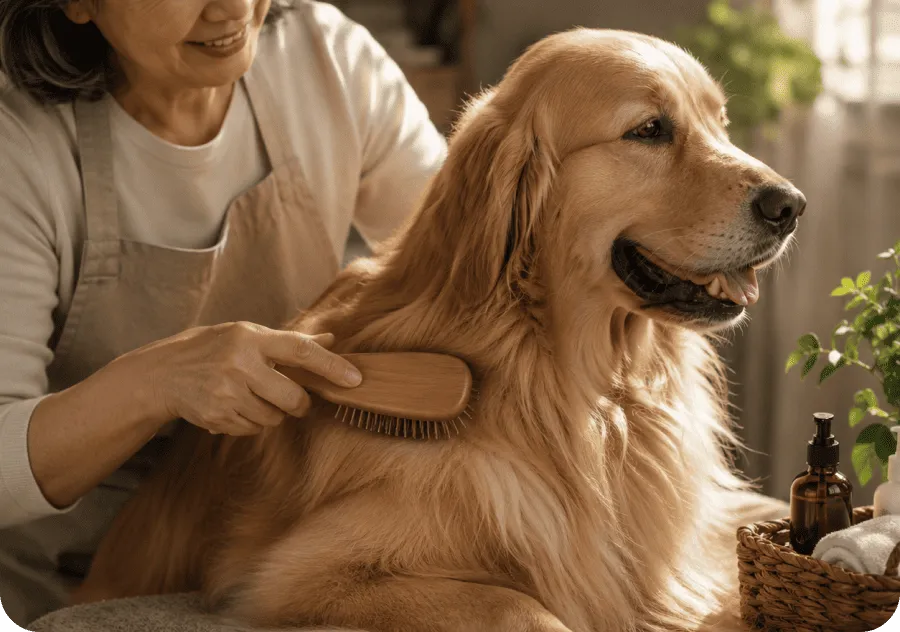
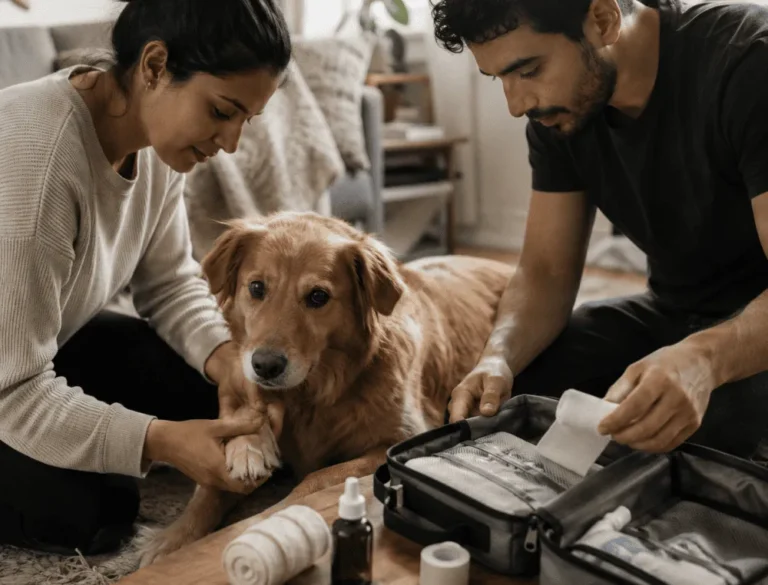
Preparation matters most when time feels limited. Keep clinic numbers easy to find. Know where the carrier, leash, records, and medications are stored. Review urgent warning signs before they happen. An emergency pet checklist supports faster action.
It also helps you stay focused during stress. Emergency planning is part of responsible animal care. You may never need every step. Still, knowing the plan gives confidence. Your pet deserves care that stays steady under pressure.


Leave a comment
You must be logged in to post a comment.