
healthy pet habits make care feel easier because they repeat. You do not need to reinvent your pet’s routine every morning. Instead, you build a pattern your pet understands. Food, water, movement, grooming, safety, and rest all matter. Small actions create visible results over time.
Your pet may become calmer, cleaner, and easier to read. You may feel more confident as well. The Responsible Pet Parent Pack helps organize those habits into practical guidance. It supports real homes with real schedules. Better routines make loving care easier to maintain.
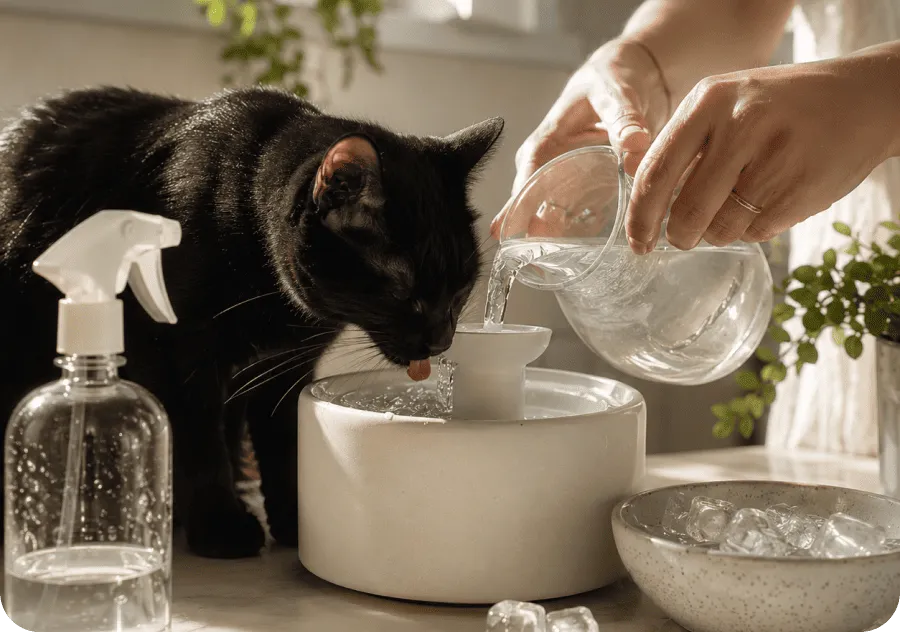
Structure gives your pet a sense of security. A predictable morning and evening rhythm can reduce stress. Meals should happen with consistency. Water should stay fresh and available. Movement should match your pet’s age and energy.
A daily pet routine turns these basics into a repeatable system. It also keeps important tasks from slipping. You can adapt the routine without losing structure. Pets often settle when their day feels familiar. Calm care begins with simple repetition.
Wellness improves when you know what to watch. Appetite, bathroom habits, mood, coat, and movement all tell a story. Those signs become more useful when tracked over time. A pet health checklist helps you notice changes early. It supports better conversations with your veterinarian.
It also keeps your memory from carrying everything alone. You can review patterns instead of guessing. Better tracking leads to smarter decisions. Pets benefit when small signs are not ignored. Everyday awareness supports long-term comfort.
Safety is a habit, not a one-time task. Pets keep exploring as rooms change. New bags, plants, cords, foods, and medications can create new risks. A safe home for pets needs regular review. You should check low shelves, counters, trash, and storage areas.
Visitors should understand boundaries too. Children need gentle handling rules. The Responsible Pet Parent Pack helps families think through these details. Prevention saves stress. A safer environment supports better daily behavior.

Balanced care depends on the basics working together. Food gives energy. Exercise releases tension. Rest allows recovery. Too much of one area cannot replace another. A pet wellness plan helps connect these pieces. It can include feeding times, walking goals, play ideas, and quiet periods. The plan should fit your pet’s real needs. It should also fit your household. Good balance makes pets more comfortable. It also makes routines easier to sustain.
Behavior improves when needs are met consistently. Pets may act out when bored, anxious, confused, or uncomfortable. Learning pet behavior basics helps you respond with more insight. It also helps you avoid overreacting. Training should feel clear and kind.
Rewards should match the behavior you want. Boundaries should stay steady. Pets learn faster when feedback is consistent. Your patience teaches trust. Better habits support better behavior from both sides.
Young pets need patient structure from day one. Their routines shape comfort, confidence, and future behavior. A new pet parent guide can prevent confusion during the first weeks. Good puppy and kitten care includes sleep, feeding, social exposure, safety, and supervision.
Early habits should be simple. Everyone in the household should follow the same plan. Mixed signals slow progress. Clear signals build confidence. The Responsible Pet Parent Pack gives that stage helpful structure. Starting well makes later care smoother.
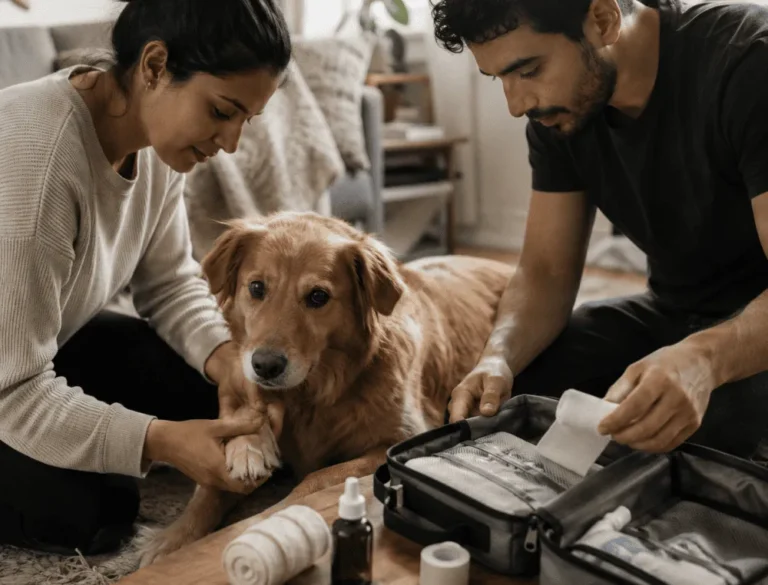
Unexpected situations test your routine. Illness, travel, guests, storms, and schedule changes can unsettle pets. Preparation helps you respond instead of scramble. Keep an emergency pet checklist where it is easy to find. Review contact numbers and transport supplies regularly.
Maintain familiar items during transitions. Watch behavior after disruptions. Comfort often comes from predictable care. Strong habits make stressful moments more manageable. Your pet relies on your steadiness when life changes.

Household consistency protects your pet’s progress. Clear family pet rules reduce confusion and conflict. A pet care planner helps assign tasks and track needs. These tools turn responsible animal care into something everyone can follow. Children know what is safe.
Adults know what must be monitored. Guests understand limits. Pets receive fewer mixed messages. Good systems protect the relationship. Over time, steady care becomes part of the household culture.


Leave a comment
You must be logged in to post a comment.