
A pet behavior communication guide helps you notice what your pet has been saying all along. Animals communicate through posture, movement, sound, distance, and routine changes. When you miss those signals, everyday care can feel confusing. Your pet may seem stubborn, dramatic, anxious, or unpredictable. In reality, many behaviors are messages.
The Smart Pet Behavior Toolkit for Better Communication helps pet owners turn those messages into clearer daily choices. It gives you practical ways to observe, respond, and adjust. Better communication does not require perfection. It requires attention, patience, and a simple system that keeps you consistent.
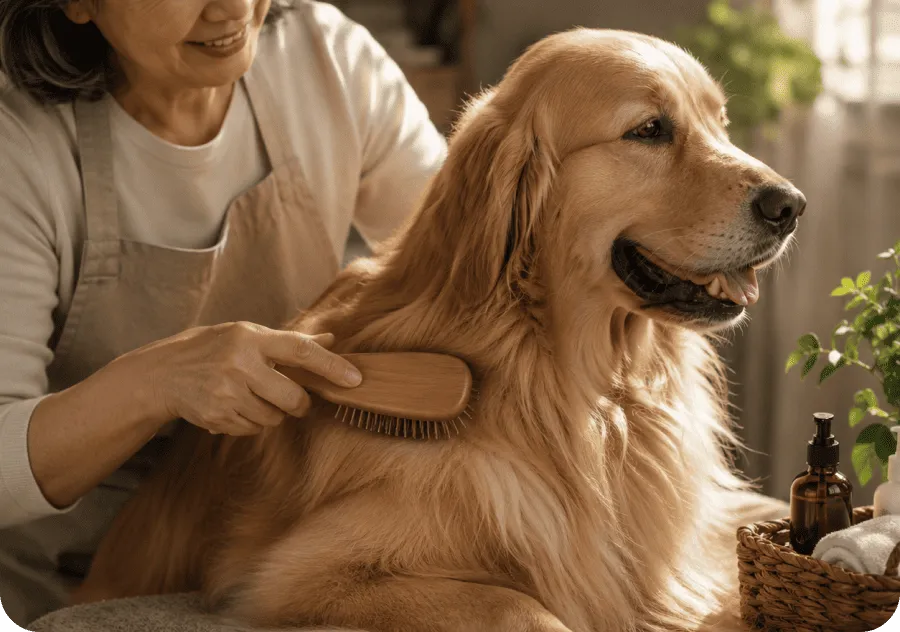
Pets often show discomfort before they create obvious problems. A tucked tail, stiff body, sudden avoidance, or restless pacing can all mean something. Some animals become louder when confused. Others become quieter when stressed. A useful animal body language guide helps you understand those differences before frustration builds.
You start seeing patterns instead of isolated incidents. That shift changes how you respond. Instead of reacting emotionally, you pause and look for the cause. This creates safer handling, calmer routines, and stronger trust. Your pet learns that you listen. You learn that behavior is information.
Escalation rarely begins at the loudest moment. A growl, scratch, bark, bite, or mess often follows smaller missed signals. Your pet may have tried to communicate earlier. Good pet communication tools help you slow the process down. You can notice eye contact, ear position, breathing, body tension, and movement. You can also compare behavior across different situations.
Some pets react only near food. Others react during grooming, visitors, or loud noises. The Smart Pet Behavior Toolkit for Better Communication helps organize those observations. When you see the early signs, you can redirect before stress takes over.

Trust grows when your pet feels understood. Animals do not need you to guess perfectly every time. They need you to respond with steadiness and respect. A strong pet trust building approach begins with predictable reactions. If your pet backs away, you give space.
If your pet seeks contact, you offer gentle attention. If your pet becomes overstimulated, you lower the intensity. These choices teach safety. They also reduce defensive behavior. Over time, your pet becomes more willing to cooperate. Communication becomes easier because the relationship feels less tense.
Daily use makes communication stronger. You can start with a simple pet behavior checklist that tracks mood, triggers, appetite, energy, and reactions. This turns vague concerns into useful information. You may notice that your pet reacts after missed walks.
You may see stress around certain visitors. You may learn that grooming works better after exercise. The pattern matters more than one isolated day. A pet behavior bundle gives you several ways to study those patterns. It helps care feel organized instead of random. Small notes can lead to big improvements.

Communication improves when you match your response to the situation. A scared pet needs reassurance and space. A bored pet needs enrichment. A confused pet needs clearer guidance. A high-energy pet may need movement before training.
These small adjustments support positive pet training because they reduce pressure. They also help you avoid treating every behavior like disobedience. The goal is not to control every reaction. The goal is to understand what drives it. The Smart Pet Behavior Toolkit for Better Communication supports that more thoughtful approach. With practice, your responses become calmer, faster, and more effective.


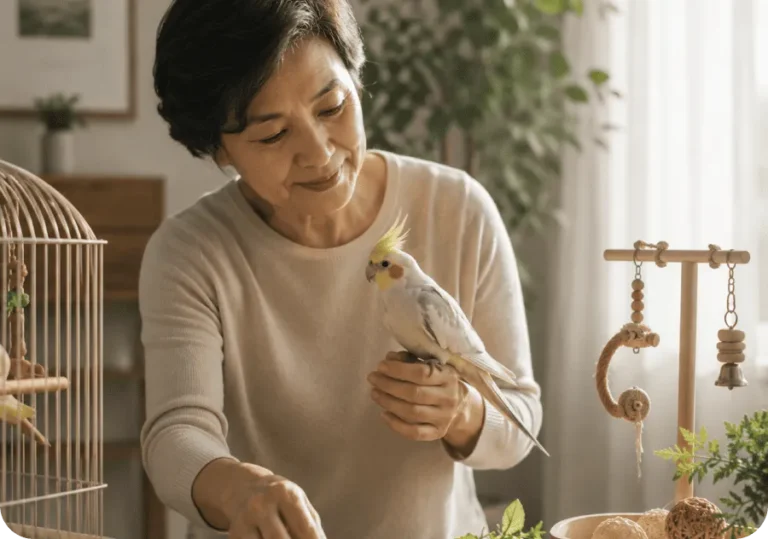
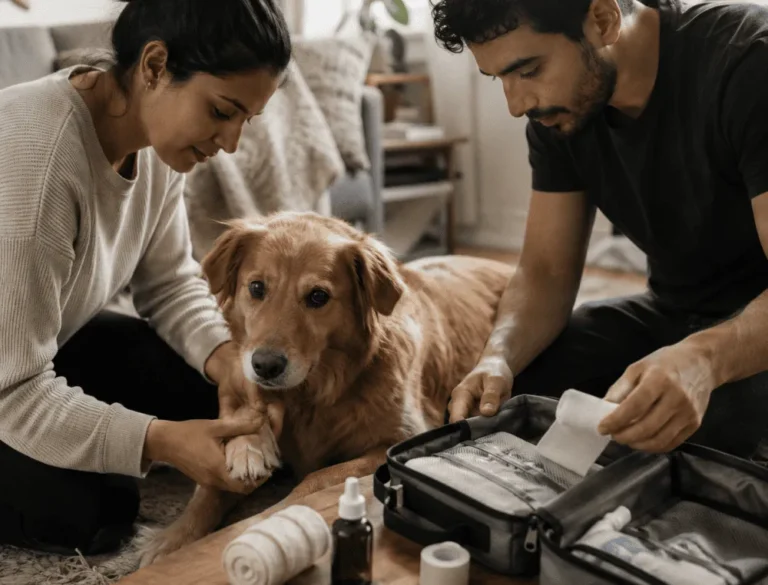
Leave a comment
You must be logged in to post a comment.