
Understanding pet body language is more than a training idea. It is one of the clearest ways to improve your relationship with your pet. Animals use their bodies constantly. They show comfort, stress, curiosity, fear, excitement, and confusion through subtle cues.
When you learn those cues, daily care becomes less frustrating. You stop seeing behavior as random. The Smart Pet Behavior Toolkit for Better Communication helps you connect those signals with better responses. It gives pet owners practical structure. You can notice earlier, react calmer, and support your pet before behavior becomes difficult.
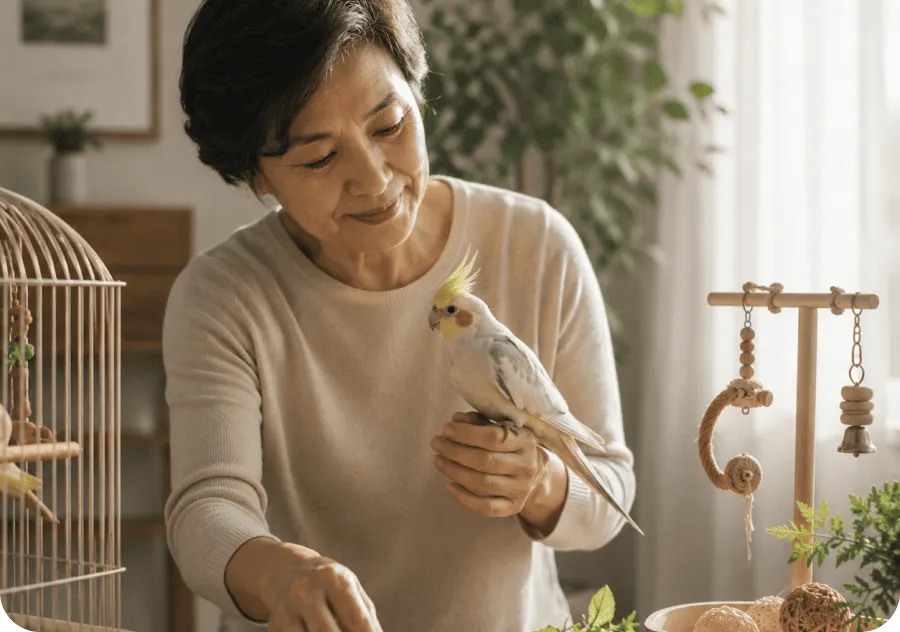
Body language often appears before sound. A pet may stiffen before barking. A cat may flick its tail before swatting. A dog may turn away before growling. These moments matter because they give you time to respond. A clear animal body language guide helps you recognize them.
You begin watching the whole body, not just one behavior. Ears, eyes, tail, posture, mouth, and movement work together. Context matters too. A wagging tail does not always mean happiness. Better observation helps you avoid unsafe assumptions and build stronger trust.
Stress can look different from pet to pet. Some animals freeze. Others pace, bark, hide, lick, or avoid touch. A useful pet behavior checklist helps you track those reactions over time. You may discover patterns around visitors, noises, grooming, feeding, or travel.
Once you know the pattern, you can change the setup. You might add distance, create a quiet zone, or shorten stressful sessions. These are not dramatic changes. They are thoughtful adjustments. The Smart Pet Behavior Toolkit for Better Communication makes that process easier by organizing what to watch.

Trust grows when pets feel safe being honest. If your pet shows discomfort and you respect it, the relationship improves. You teach your pet that signals work. That can reduce defensive behavior. It can also improve grooming, handling, training, and social time.
Strong pet trust building depends on listening before forcing. This does not mean your pet controls the home. It means you guide with awareness. Clear boundaries can still be kind. A calm owner who reads body language usually gets better cooperation than an owner who pushes through every warning sign.
Training works better when your pet is ready to learn. A distracted, frightened, or overstimulated pet cannot focus well. This is why positive pet training should include body language awareness. Watch whether your pet leans in, looks away, sniffs, freezes, or offers attention. These details show whether the session is productive. Shorter lessons may work better than longer ones.
Softer rewards may work better than excitement. The Smart Pet Behavior Toolkit for Better Communication helps owners connect training choices with emotional signals. You train more effectively when your pet feels understood.
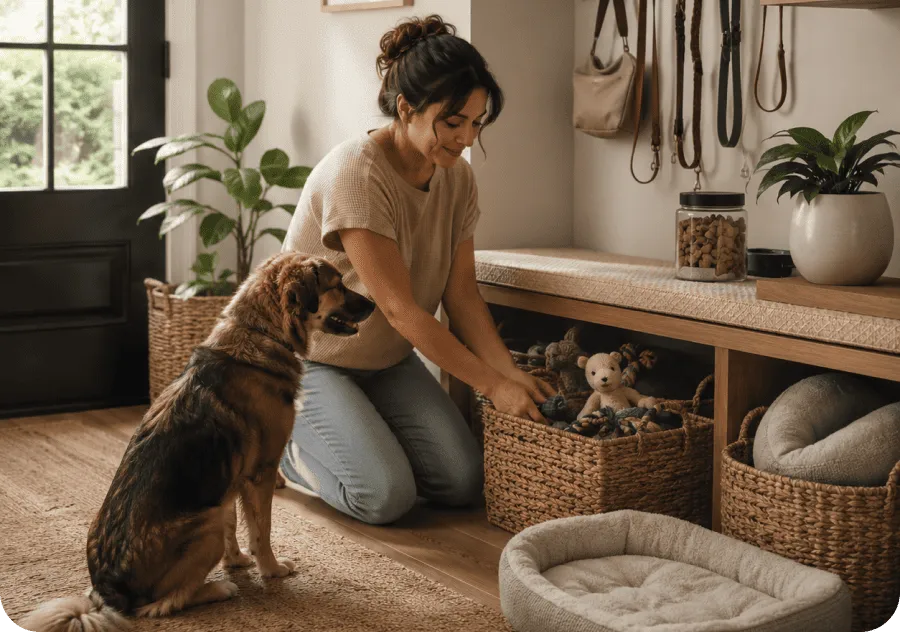
Daily routines give you many chances to observe. Feeding, walking, play, grooming, and bedtime all reveal patterns. A pet that avoids one routine may need a different setup. A pet that becomes too excited may need calmer pacing.
Good calm pet routines support better behavior because they lower confusion. Helpful pet communication tools also help the whole household stay consistent. Everyone can learn the same cues. Everyone can respond with the same rules. This consistency matters, especially in homes with children, multiple pets, or changing schedules.

Leave a comment
You must be logged in to post a comment.