
A smart pet training toolkit helps you move beyond commands and into real communication. Training should not feel like a battle between owner and pet. It should feel like a shared language. Your pet needs clear signals, steady routines, and fair feedback. You need tools that help you understand what behavior means before you respond.
The Smart Pet Behavior Toolkit for Better Communication gives pet owners that practical structure. It supports training through observation, body language, trust, and consistency. When training becomes clearer, daily life becomes calmer. Your pet learns what to expect, and you learn how to guide better.
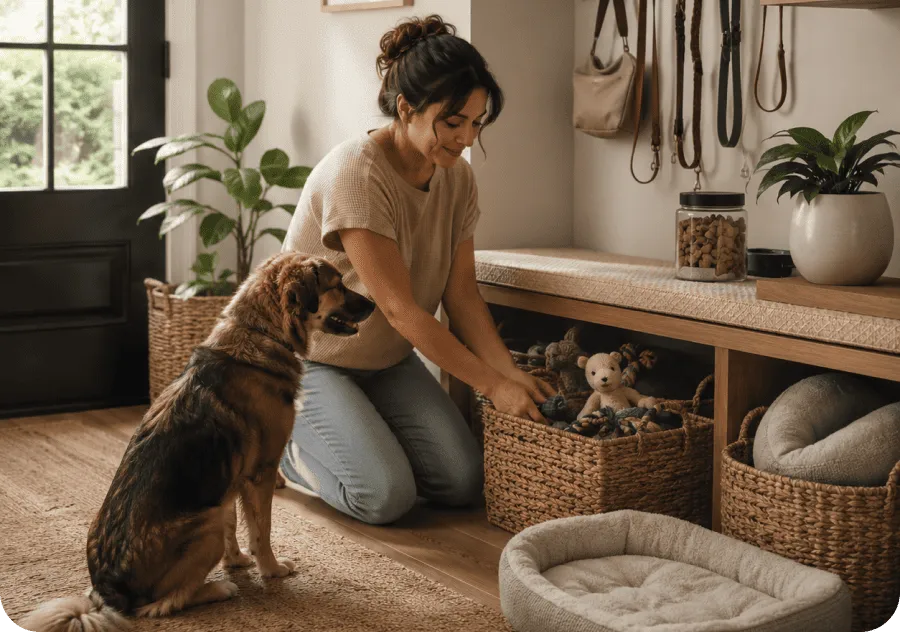
Training works when the message is easy to understand. Pets struggle when owners change words, timing, rewards, or rules. A helpful pet behavior bundle keeps the process organized. It helps you choose cues, track progress, and notice triggers.
Training becomes less emotional because you have a plan. You can see what improves and what needs adjustment. This matters for dogs, cats, and multi-pet homes. A good system also prevents blame. Instead of calling your pet difficult, you look for missing clarity. That mindset changes everything.
Correction should never replace understanding. Many unwanted behaviors begin with unmet needs, fear, boredom, or confusion. A clear animal body language guide helps you read those needs before you act. You may notice that your pet avoids training when tired, see that excitement rises near the door. You may learn that certain handling steps feel uncomfortable. These clues guide better choices. The Smart Pet Behavior Toolkit for Better Communication helps you connect communication with training. The result feels more respectful and more effective.

Daily routines are training opportunities. Feeding teaches patience. Walks teach focus. Play teaches impulse control. Grooming teaches cooperation. Rest teaches calm. A set of calm pet routines makes these moments easier to repeat. You do not need a long formal session every day.
You need small moments handled consistently. A pet behavior checklist helps you remember what works. It can track cues, rewards, stress points, and wins. Over time, everyday structure becomes your strongest training tool.
Training improves when trust is protected. Pets learn faster when they feel safe enough to try. Fear may create compliance for a moment, but it damages confidence. Strong pet trust building uses patience, rewards, timing, and respect. It also gives pets breaks when they are overwhelmed.
This does not mean avoiding boundaries. It means setting boundaries with clarity. The Smart Pet Behavior Toolkit for Better Communication supports that balance. You guide your pet without turning training into pressure. Trust makes learning feel possible.

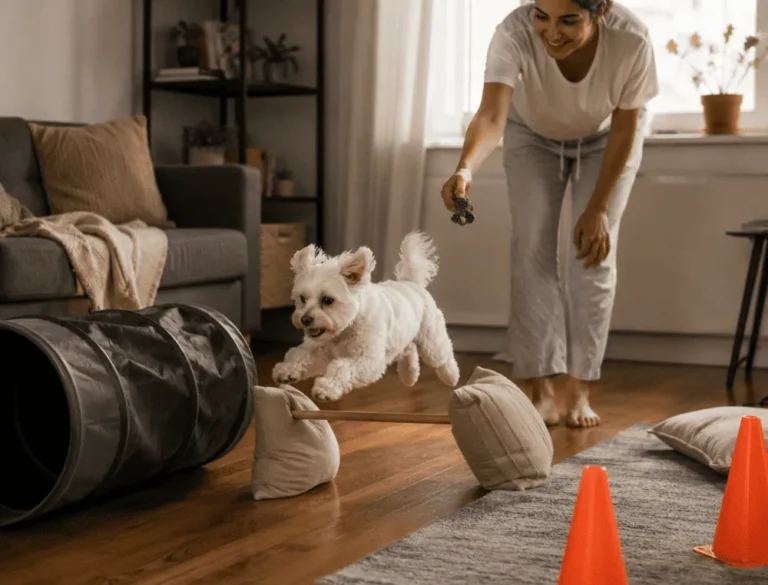
Good habits grow from repetition and reward. Positive pet training helps pets connect actions with good outcomes. It also helps owners focus on what they want, not only what they dislike. You can reward calm greetings, quiet waiting, gentle handling, and attention.
You can redirect chewing, jumping, hiding, or overexcitement with better alternatives. Helpful pet communication tools keep your timing and cues more consistent. Consistency makes behavior easier to repeat. Your pet starts understanding the pattern. You start seeing progress that feels earned.


Leave a comment
You must be logged in to post a comment.