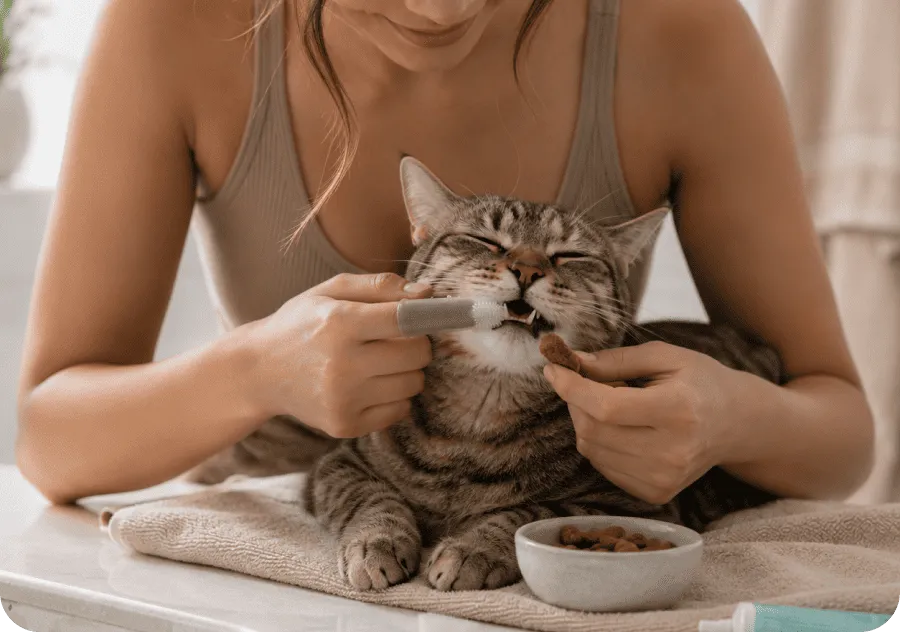
A Daily Pet Care Routine helps owners turn love into repeatable action. Pets need more than affection to feel secure. They need food, water, movement, rest, grooming, safety, and attention delivered consistently. Without structure, care can become scattered. One day feels organized, while the next feels rushed.
The Complete Pet Parenting Bundle for Happy Pets helps pet parents create routines that fit real homes. It brings together checklists, guides, and eBooks for practical support. A good routine does not need to feel rigid. It should make care easier, calmer, and more dependable for everyone.
Pets learn from repetition. They notice when meals arrive, walks happen, toys appear, and rest begins. A consistent happy pet care routine helps them feel grounded. It also helps owners remember important details. Feeding, bathroom breaks, grooming, play, and quiet time become easier to manage.
When routines are clear, behavior changes become easier to spot. A sudden change in appetite or energy stands out faster. Routine gives you a baseline. That baseline supports better care decisions. Pets feel safer when their day has familiar signals.
Food and water are basic, but they deserve attention. Meals should match your pet’s age, size, activity, and health needs. Fresh water should stay available and clean. A pet wellness checklist can help you track appetite, thirst, weight changes, and unusual habits.
The Complete Pet Parenting Bundle for Happy Pets supports these daily checks with organized resources. Small observations matter because pets often hide discomfort. Feeding time also teaches patience and structure. A steady approach helps prevent begging, confusion, and rushed care. Better basics create stronger wellness.

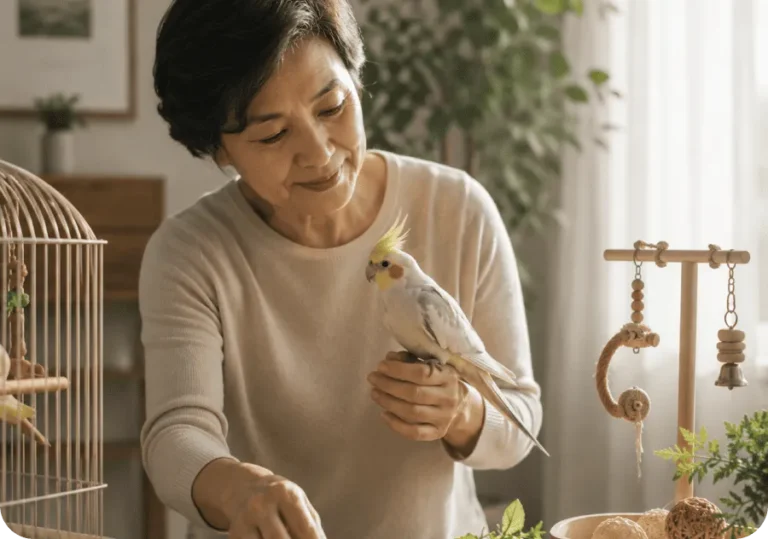
Exercise supports both physical and emotional health. Dogs may need walks, training games, or sniffing time. Cats may need climbing, chasing, hiding, and interactive play. Other pets need enrichment that suits their species and personality.
A pet parenting guide can help owners think beyond simple feeding. Movement reduces boredom. Play builds trust. Mental stimulation can prevent destructive or restless behavior. A healthy pet lifestyle should include both activity and rest. Balance matters because too much excitement can also create stress.
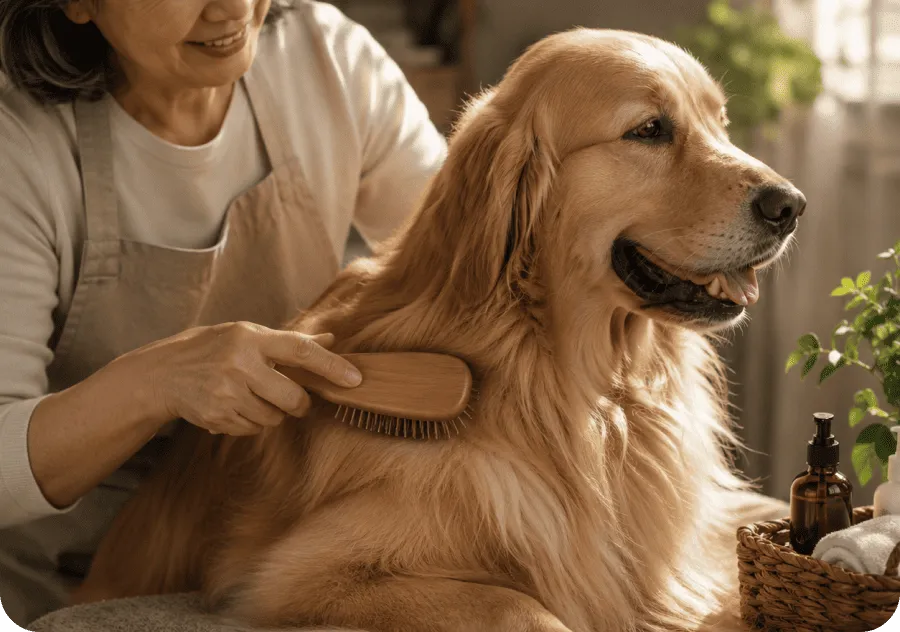
Grooming is not only about appearance. Brushing, bathing, nail checks, ear awareness, and coat care help owners notice changes. A routine makes grooming less stressful because pets know what to expect. Strong pet health habits often start with ordinary handling.
You may notice skin irritation, lumps, tenderness, or shedding changes during simple care. The goal is not to make every session perfect. The goal is to keep your pet comfortable and cooperative. Gentle repetition builds trust. Grooming becomes easier when it is part of normal life.
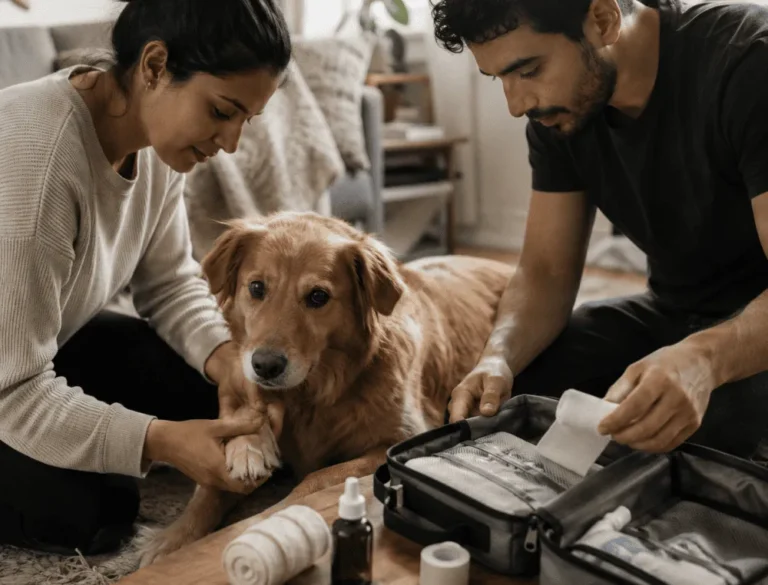
Evening routines help pets transition into rest. Check food storage, water bowls, doors, gates, litter boxes, bedding, and safe spaces. A simple pet safety routine can prevent avoidable problems overnight. New owners may also use a new pet parent checklist to build confidence.
Calm evenings teach pets that the day is ending. This can reduce pacing, barking, scratching, or attention-seeking behavior. A peaceful bedtime routine supports better sleep. Pets and owners both benefit from predictable closure.


Leave a comment
You must be logged in to post a comment.