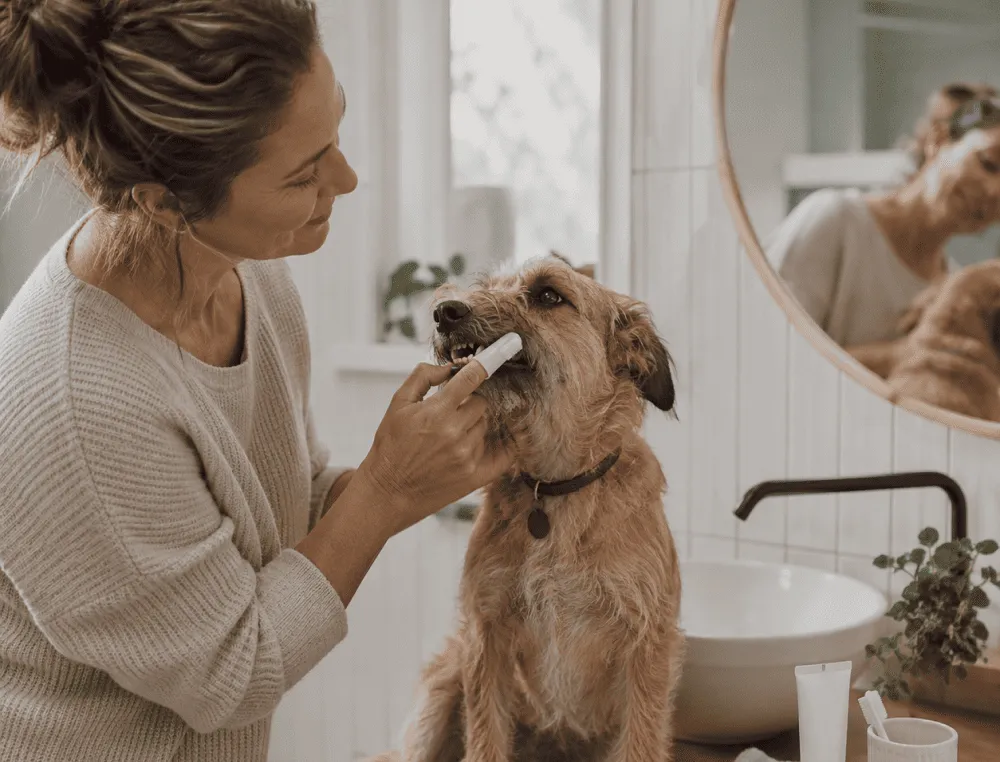
Healthy Habits For Pets are built through small daily choices. A pet’s comfort depends on food, water, movement, grooming, rest, safety, and emotional security. These basics may seem obvious, yet they are easy to overlook when life gets busy. Strong habits help care stay steady even on rushed days.
The Complete Pet Parenting Bundle for Happy Pets helps owners turn those basics into repeatable routines. It gives pet parents checklists, eBooks, and guides for practical daily support. Healthy care should not feel complicated. It should feel clear enough to follow and flexible enough to last.
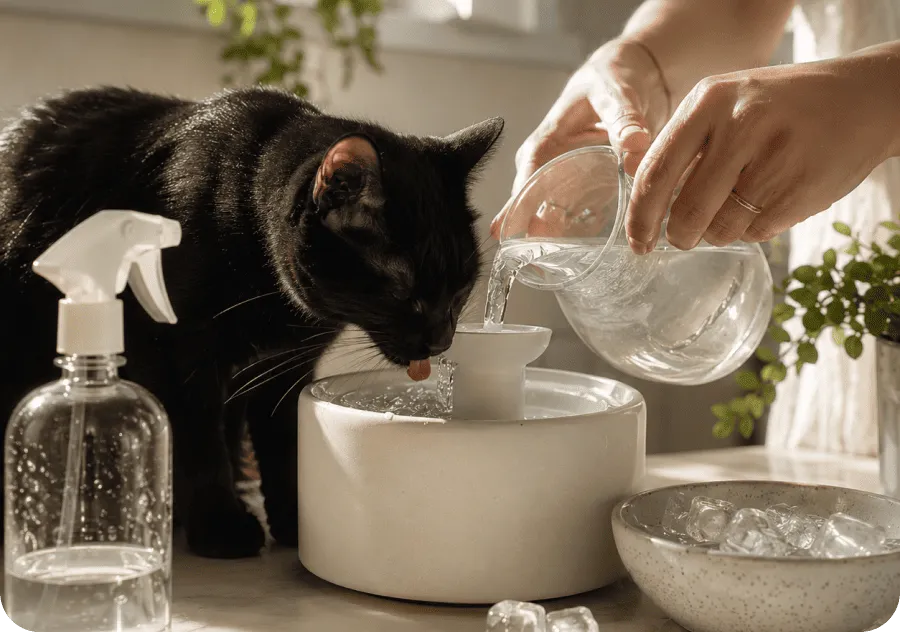
Pets often show wellness through behavior. A comfortable pet may eat normally, rest well, play with interest, and seek connection. A stressed or uncomfortable pet may become restless, withdrawn, vocal, or unusually clingy.
A pet wellness checklist helps owners track these patterns. It also makes daily care more intentional. You begin noticing what supports your pet and what disrupts them. Strong habits create a clearer baseline. That baseline helps you respond faster when something changes. Healthy care starts with observation. Observation becomes easier when routines are organized.
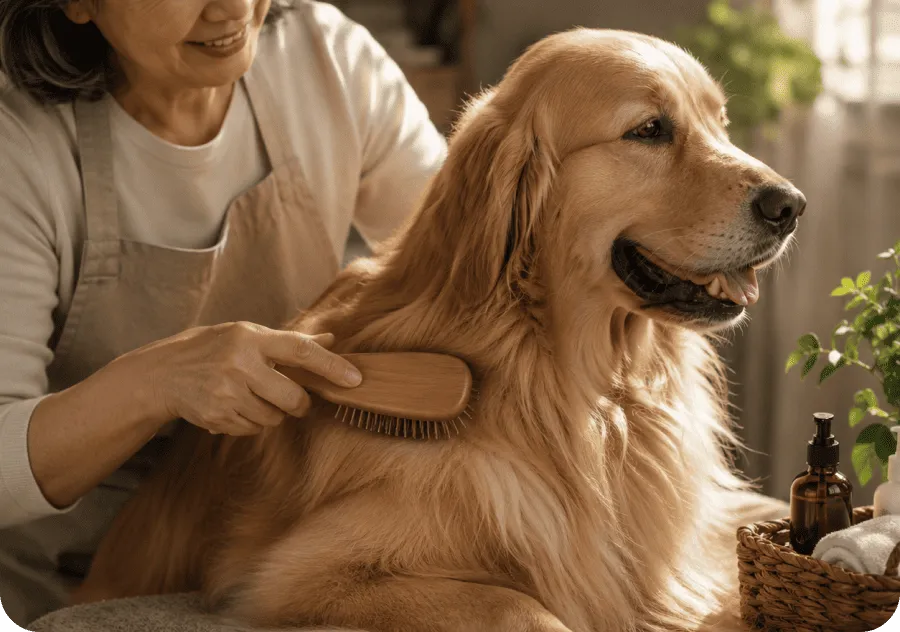
Routines make wellness easier to maintain. Feeding, water, movement, grooming, play, and rest should have a reliable rhythm. A happy pet care routine helps your pet understand what happens next. It also helps owners avoid forgetting important tasks.
The Complete Pet Parenting Bundle for Happy Pets supports routine planning with practical resources. You can build morning, afternoon, and evening habits that fit your household. Consistency does not remove flexibility. It gives flexibility a strong foundation. Pets feel safer when life has familiar patterns.
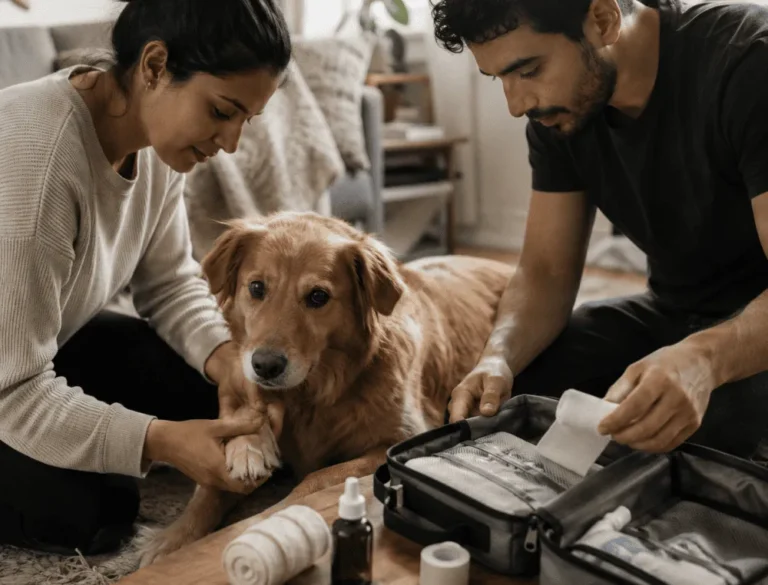
Safety is part of wellness. A pet cannot stay healthy if the environment creates constant risks. A simple pet safety routine helps owners check food hazards, cords, cleaners, medications, plants, and small objects. It also helps families think about doors, gates, visitors, and child interactions. Safe homes support calmer pets because they reduce stressful surprises. New pets need even more preparation. A new pet parent checklist can make the early transition smoother. Prevention protects comfort. It also gives owners more confidence.
Emotional comfort affects daily behavior. Pets need connection, quiet spaces, fair boundaries, and gentle handling. A pet parenting guide can help owners understand how routine and trust work together. A family pet care plan also keeps household expectations consistent.
Pets become confused when rules change from person to person. Clear, kind guidance helps them relax. Emotional security is not separate from health. It supports appetite, sleep, training, cooperation, and confidence. A happier pet usually feels understood by the people around them.

Long-term care improves when owners track small changes. Weight, appetite, energy, bathroom habits, skin, coat, and mood all provide useful clues. Strong pet health habits help you notice those details before they become easy to miss.
A responsible pet owner guide can also help you prepare for vet visits, seasonal changes, and age-related needs. You do not need to over-monitor every moment. You need a practical way to stay aware. Better tracking makes care more proactive. Your pet benefits from owners who pay attention consistently.


Leave a comment
You must be logged in to post a comment.