
improve pet communication by treating behavior as a conversation. Your pet is always giving information, even when it is subtle. A pause, stare, tail movement, vocal sound, or shift in posture can tell you something useful. When you respond with awareness, your pet starts trusting the exchange. Daily care becomes less confusing.
The Smart Pet Behavior Toolkit for Better Communication helps owners build that awareness into real routines. It gives structure to signals that often feel random. You can understand more, react less, and create a calmer relationship. Better communication starts with noticing what is already there.

Home is where most communication patterns develop. Pets learn from your tone, timing, movement, and routines. If those signals change constantly, behavior can become inconsistent. Helpful pet communication tools help you create steadier messages. Use the same cues for common moments. Keep feeding, play, walks, and rest predictable. Watch how your pet responds when the rhythm changes.
These observations teach you what creates comfort or stress. The Smart Pet Behavior Toolkit for Better Communication helps turn these daily details into a more organized care system.
Body language gives you the fastest clues. Eyes, ears, tail, posture, distance, and movement all matter. A practical animal body language guide helps you avoid guessing from one signal alone. Context changes meaning. A relaxed stretch is different from a nervous freeze. A playful bounce is different from frantic jumping.
When you read the whole picture, you respond more accurately. This protects trust and safety. It also prevents small stress from becoming bigger behavior. Better body language awareness makes care feel less mysterious.

Routines create shared expectations. Your pet learns what happens next, and you learn what normal looks like. A set of calm pet routines can reduce confusion quickly. Morning care, feeding, enrichment, grooming, and bedtime all become easier when the pattern is familiar.
A pet behavior checklist helps you track what works. You can notice when behavior changes after missed exercise or extra stimulation. That information is valuable. It helps you adjust care before frustration grows.
Training is communication in action. A cue only works when your pet understands what it means. Rewards only work when timing feels clear. Positive pet training supports this clarity because it teaches through encouragement. It also helps pets feel safe enough to participate.
The Smart Pet Behavior Toolkit for Better Communication gives owners guidance for making training more consistent. Instead of repeating commands louder, you can improve the setup. Shorter sessions, better timing, and calmer energy often create better results. Pets learn best when the message is simple.
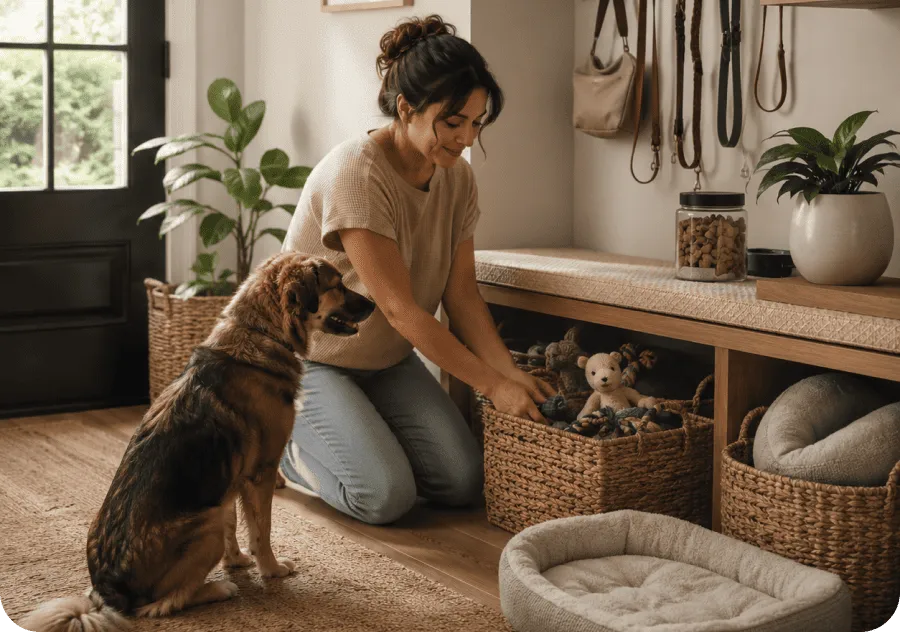
Your response teaches your pet what communication means. If warning signs are ignored, pets may escalate. If signals are respected, they may stay calmer. Strong pet trust building depends on that cycle. You notice, respond, and adjust. Your pet learns that you are listening.
This can improve handling, grooming, visitor introductions, and daily cooperation. It can also make anxious pets feel safer. Better responses do not remove all challenges. They simply make challenges easier to understand. That is the foundation of long-term communication.

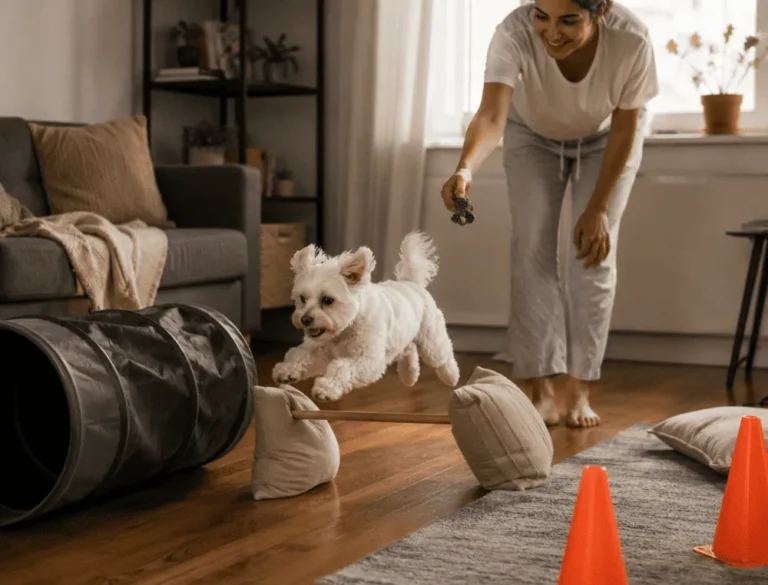
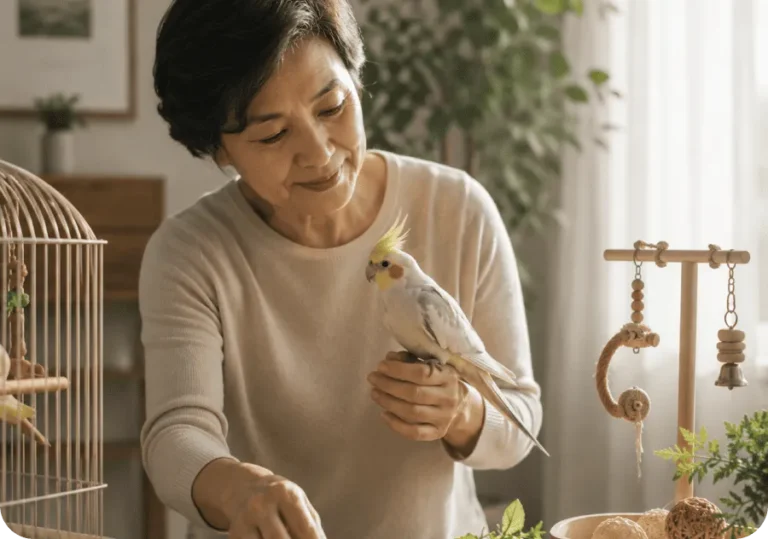
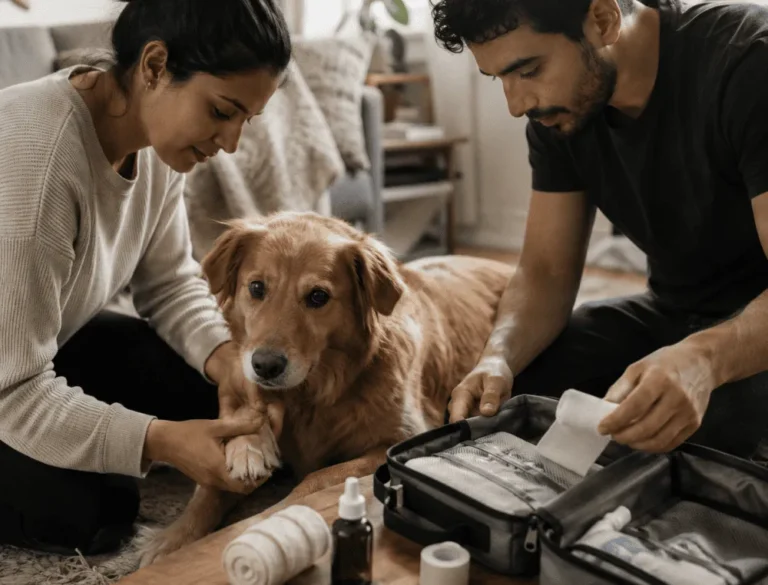
Leave a comment
You must be logged in to post a comment.